Exploring Mixed Media Art
Mixed media art offers exciting opportunities for artists to expand their creative horizons by combining traditional and digital techniques. This article explores practical methods to integrate these mediums effectively and enrich your artistic expression.
Explore ↗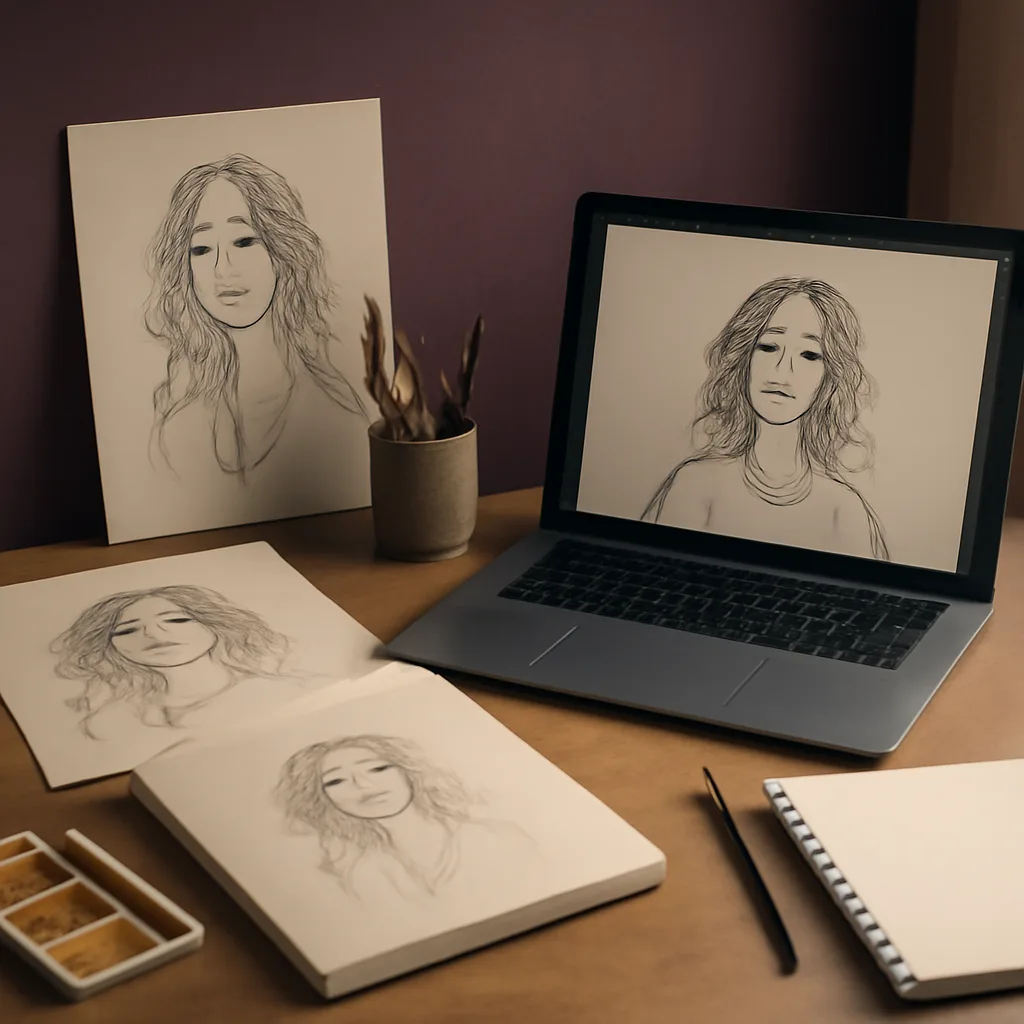
Understanding Mixed Media Art
Mixed media art involves combining various artistic mediums and materials to create layered, textured works that transcend single-medium limitations. By uniting traditional practices like painting, drawing, and collage with digital tools and manipulation, artists can explore new dimensions of creativity.
This approach encourages experimentation and innovation, challenging the boundaries of conventional art forms. Understanding the characteristics and strengths of each medium is essential to create harmonious compositions that balance diverse elements.
- Combines multiple artistic techniques and materials
- Enhances textural and visual depth
- Encourages innovation beyond traditional constraints
Integrating Traditional and Digital Techniques
Successful mixed media art balances analog and digital elements thoughtfully. Begin by creating foundational work using traditional methods—such as sketches, watercolor washes, or textured surfaces—then scan or photograph your work to import into digital software for further manipulation.
Digital tools allow for precise adjustments, layering, and effects that are difficult to achieve by hand, such as blending textures or color grading. Conversely, incorporating hand-made elements into digital projects can infuse warmth and authenticity often missing from purely digital works.
Maintaining consistency in lighting, scale, and perspective between mediums helps unify the piece visually. Setting clear creative goals at the start guides which techniques will complement rather than compete with each other.
- Start with a traditional base and digitize
- Use software for layering, coloring, and effects
- Combine hand-made textures with digital enhancements
- Maintain visual consistency throughout the piece
Choosing the Right Tools and Materials
Selecting appropriate tools for both traditional and digital work sets the foundation for seamless integration. For traditional media, supplies like textured paper, acrylics, or ink can create interesting tactile qualities.
On the digital side, software such as graphic tablets, photo editing programs, and vector illustration apps provide versatile options for enhancing and composing mixed media projects.
Invest in quality scanners or cameras to capture physical work accurately, preserving color and detail necessary for digital editing. Calibrate screens to ensure consistent color representation between physical and digital output.
Matching materials that respond well to each other—like watercolors with translucent digital layers—can maximize visual synergy. Experimenting with unconventional materials can open new creative paths.
- Use textured papers and diverse traditional media
- Employ graphic tablets and professional editing software
- Invest in accurate digitization equipment
- Calibrate devices for color consistency
Building a Diverse Artistic Portfolio
Mixed media techniques expand your creative possibilities, allowing you to produce a varied portfolio that appeals to different audiences and clients. Incorporating both traditional and digital works demonstrates versatility and adaptability.
Consider documenting the creative process by showcasing stages from initial sketches to finished digitally-enhanced pieces; this transparency adds depth and storytelling to your portfolio.
Highlight projects that blend mediums subtly and those that explore bold juxtapositions, showing your range in conceptual thinking and technical skill. Regularly update your portfolio to reflect evolving interests and competencies in mixed media art.
Diversification can open opportunities in galleries, digital commissions, editorial illustration, and more, making your artistic brand robust and appealing.
- Showcase versatility with different medium combinations
- Document creative process stages
- Display subtle and bold mixed media examples
- Keep portfolio current with evolving work
Tips for Continuous Growth and Experimentation
Approach mixed media art as an ongoing exploration rather than a fixed style. Set aside time for playful experimentation to discover new material combinations and digital techniques.
Join artist communities and participate in challenges dedicated to mixed media to gain inspiration and feedback.
Keep a creative journal or digital sketchbook to track ideas, material tests, and technique notes. Reflecting on these records fosters incremental development.
Regularly review your work to identify successful strategies and areas for improvement. Embrace flexibility and welcome unexpected results as part of the creative journey.
- Dedicate time for experimentation
- Engage with mixed media artist communities
- Maintain a creative journal
- Review and refine your techniques over time
Discover more
Balancing Creativity and Structure
Practical methods for creative professionals to meet deadlines and client needs without sacrificing artistic freedom.
Choosing the Right Tools for Digital Art
Explore popular digital art software and hardware with pros and cons to find the best fit for your artistic style and budget.
Developing a Unique Artistic Voice
Explore practical techniques to refine your individual style and expression, essential for artists to stand out in the creative industry.
Effective Client Communication Strategies
Discover practical approaches to enhance dialogue with clients, ensuring clarity, trust, and project success.
Color Theory Basics for Creatives
Explore fundamental color theory principles to enhance your design and art projects with impactful visual harmony.
Incorporating Feedback Gracefully
Practical guidance for artists to receive and apply critique constructively, enhancing their work while maintaining confidence.