Sustainable Practices in Creativity
Sustainability and creativity can beautifully coexist. Artists have a unique opportunity to lead eco-conscious practices by making thoughtful choices in their materials, processes, and studio routines. This article offers approaches to help creatives minimize their environmental footprint while nurturing their artistic expression.
Explore ↗
Selecting Eco-Friendly Materials
Choosing sustainable materials is a fundamental step for artists aiming to reduce waste and pollution. Opt for supplies that are biodegradable, recycled, or made from renewable resources. Examples include papers certified by environmental organizations, natural pigments, or non-toxic paints. When purchasing, consider sourcing locally to cut down transportation emissions.
- Use recycled or FSC-certified paper and canvases
- Select water-based, non-toxic paints and inks
- Explore plant-based or natural dyes and pigments
- Support local or eco-certified art supply producers
Minimizing Waste in the Studio
Waste reduction starts with mindful planning and efficient use of materials. Consider limiting overuse by prepping exact amounts needed and reusing scrap materials creatively. Organize a designated recycling station within your workspace to encourage proper disposal of scraps and packaging. Incorporate upcycling techniques, turning remnants into new art projects or supplies.
- Measure materials precisely to avoid excess
- Repurpose scraps for collage or mixed media works
- Recycle glass jars, paper, and plastics where possible
- Use both sides of drawing paper when appropriate
Energy-Efficient Workflow and Tools
Adopting energy-saving habits can reduce the environmental footprint of your creative process. Work during natural daylight hours when possible to limit artificial lighting use. Choose energy-efficient equipment such as LED lamps and low-energy computers or devices. Regular maintenance ensures tools operate efficiently, preventing unnecessary energy consumption.
- Maximize natural lighting in your studio
- Use LED lights and energy-efficient devices
- Turn off equipment when not in use
- Maintain tools for optimal performance
Sustainable Packaging and Shipping Practices
Artists who sell or exhibit work can embrace sustainability by selecting eco-friendly packaging options. Use recyclable or biodegradable packing materials instead of plastic bubble wrap or foam inserts. Consider minimal packaging designs that still protect the art. For shipping, choose carriers that value environmental responsibility and select slower shipping options when time allows, as they often have a lower carbon footprint.
- Choose recycled or compostable packing materials
- Design minimal yet protective packaging
- Partner with eco-conscious shipping services
- Opt for ground shipping to reduce emissions
Embracing Digital Alternatives
Digital tools can significantly reduce material consumption. Embrace digital sketching, painting, or graphic design to lessen reliance on physical supplies. Share and promote your work online to minimize printing. However, balance this with mindful electricity use. Evaluate when physical art is essential and make those moments count by using sustainable practices.
- Use tablets and software for initial concepts
- Limit prints and opt for digital portfolios
- Promote artwork via social media and websites
- Combine digital and sustainable physical work thoughtfully
Discover more

Balancing Creativity and Structure
Practical methods for creative professionals to meet deadlines and client needs without sacrificing artistic freedom.
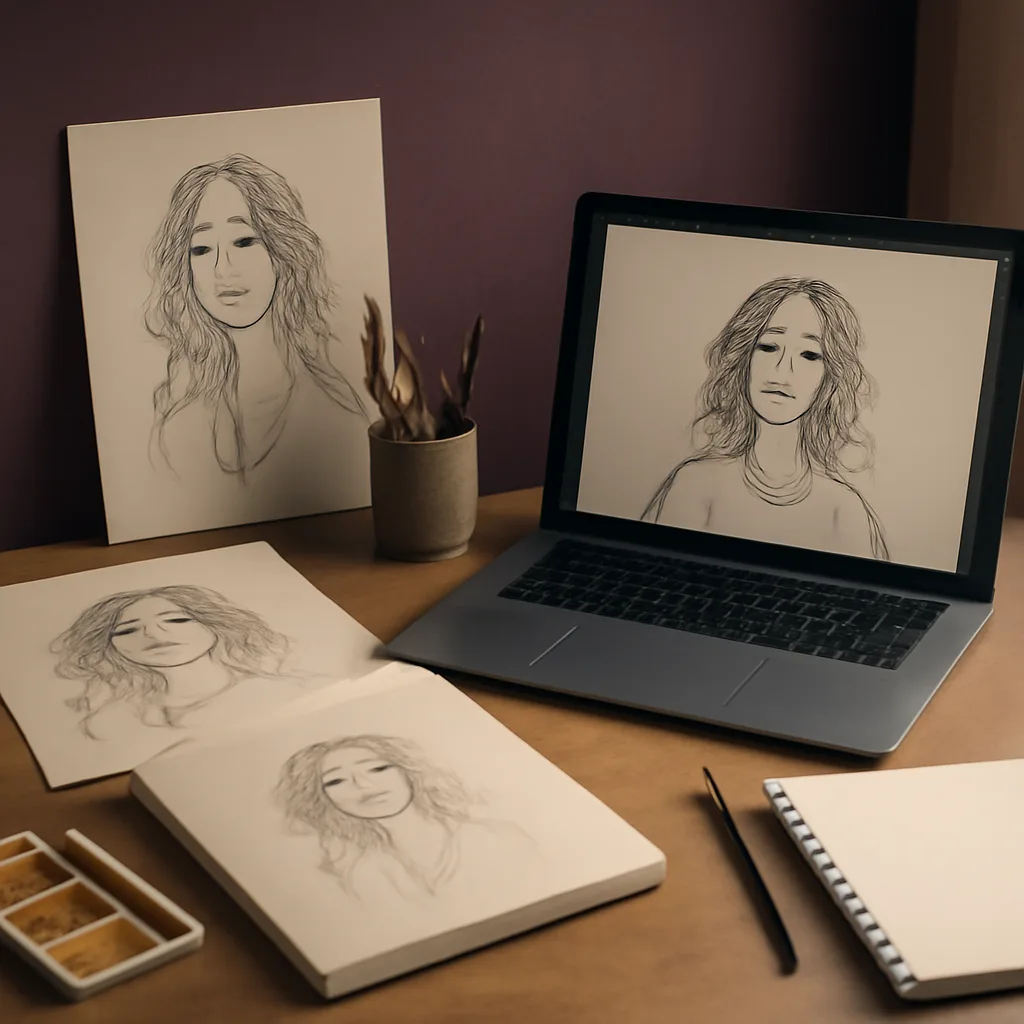
Choosing the Right Tools for Digital Art
Explore popular digital art software and hardware with pros and cons to find the best fit for your artistic style and budget.
Developing a Unique Artistic Voice
Explore practical techniques to refine your individual style and expression, essential for artists to stand out in the creative industry.
Effective Client Communication Strategies
Discover practical approaches to enhance dialogue with clients, ensuring clarity, trust, and project success.
Color Theory Basics for Creatives
Explore fundamental color theory principles to enhance your design and art projects with impactful visual harmony.
Incorporating Feedback Gracefully
Practical guidance for artists to receive and apply critique constructively, enhancing their work while maintaining confidence.